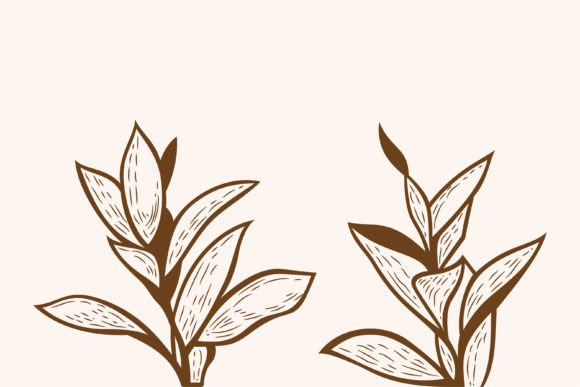
A Designer's Practical Review of the Leaf Plant Vintage Element
When a new design lands in my library, my first question isn't just 'is it pretty?' It's 'how will it perform?' I’m looking at this Leaf Plant Vintage Element as if I’m about to load it into my machine for a real client project—maybe a custom tote bag for a boutique or an embroidered pillow for a wedding gift. This review is about that practical judgment.
The Immediate Mood: Quiet, Earthy, and Timeless
The first impression here is one of quiet elegance. The hand-drawn, flat brown aesthetic creates an earthy, vintage mood. It’s not loud or trendy; it’s timeless. The shapes feel organic and relaxed, which gives it a warm visual personality. For embroidery, this translates to a design that won’t feel overwhelming on a garment. It belongs on projects where you want to add a touch of nature-inspired sophistication without a fussy, overly detailed look.
I imagine this working beautifully on linen kitchen towels, a canvas apron, or the corner of a cotton blanket. It has that maker’s studio feel—perfect for a small shop product that wants to communicate craftsmanship and a connection to natural materials.
Where This Vintage Leaf Design Truly Shines
Let’s talk real-life application. Based on its style, I’d confidently use the Leaf Plant Vintage Element for:
- Home Goods & Decor: Pillow covers, tea towels, and simple nursery decor pieces. The brown color palette is neutral and calming.
- Personalized Gifts: Embroidered on a high-quality sweatshirt or tote bag for a thoughtful, understated gift. It feels special without being overly personalized.
- Small Business Merchandise: For an Etsy seller or craft fair vendor, this design could become a signature element on a line of products—aprons, simple caps, or unisex apparel—creating strong brand consistency.
- Printable Mockups & Digital Assets: As a Graphics product, it’s a solid base for creating digital previews for your embroidery listings, adding a professional touch to your shop.
The key is its versatility within a certain aesthetic. It’s not for every project, but for the right one, it elevates the product’s value through its handmade presentation and classic appeal.
Points for Caution: Where to Test Before You Stitch
Every design has its limits, and a smart embroidery designer tests boundaries. With this vector-based leaf illustration, the main considerations come from its potential detail level and color.
- Small Hoop Sizes & Tiny Details: If the design’s lines are very fine, stitching it in a small hoop on a cap or baby item might lose clarity. Always test on scrap fabric first.
- Stitch Density on Textured Fabrics: On a nappy towel or a loose-weave linen, a fill stitch area might need adjusted density or a sturdy stabilizer to look crisp.
- The Single Color Palette: The 'flat brown' description means contrast is crucial. On dark fabric like navy or black, this design may disappear. You might need to thoughtfully change thread colors or use it exclusively on light backgrounds.
- Commercial Use & Licensing: Since it's categorised under Illustrations and Graphics, confirming the licensing terms is essential before selling finished items or using it in commercial embroidery projects. Don’t assume.
These aren’t flaws; they’re just the realities of translating a graphic into a stitched product. Addressing them upfront builds customer trust and professionalism.
Making It Work: A Practical Designer's Checklist
Before I commit this to a final product, my process would involve:
- Running a test on the exact fabric I plan to use, checking thread contrast and stitch clarity.
- Inspecting how small details, like leaf veins or stem corners, translate into satin or running stitches.
- Comparing it in both black and white digital mockups to gauge its visual appeal for my target customer.
- Considering its scale on the finished product—a large, singular motif on a tote bag versus a smaller cluster on a sweatshirt sleeve.
- Ensuring my stabilizer choice matches the fabric texture (stretchy knit vs. stable canvas) to preserve the design’s hand-drawn integrity.
This groundwork turns a good embroidery file into a great finished product.
The Final Verdict for Your Craft Business
The Leaf Plant Vintage Element is a strong candidate for makers aiming for a earthy, classic brand. It won’t suit a high-energy, colorful product line, but for shops specializing in natural, vintage, or minimalist handmade goods, it could be a core asset. Its giftability is high because it feels both personal and refined.
For the embroidery designer, it offers a clear, stylized motif that, with proper testing and application, can produce consistently professional results. It encourages you to think about thread choice as a design decision—perhaps a mossy green or a deep taupe instead of strict brown—and about placement as part of the product’s story. In a market crowded with overly complex designs, this one’s quiet confidence might be exactly what your next embroidery project needs to stand out with subtlety and warmth.