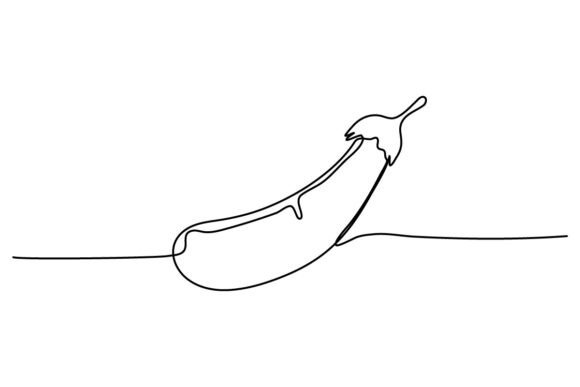
Eggplant One Continuous Line Graphics for Editorial Use
When a new design asset arrives in my digital publishing toolkit, my first question is always about its editorial mood. Eggplant One Continuous Line presents a distinct, single-line illustration of a vegetable symbol. This isn’t a complex, shaded artwork; it’s a decorative element rendered with a flowing, unbroken stroke on a clean background. That simplicity is its power. It immediately feels artistic, modern, and clean, creating a visual tone that is both sophisticated and subtly playful.
The Visual Mood and Content Niche This Design Supports
This line drawing evokes a lifestyle-focused and artistic sensibility. It’s not overly corporate or austere; it has a decorative, almost elegant charm. This makes it a natural fit for content niches centered on healthy living, gourmet cooking, farm-to-table topics, garden blogging, seasonal produce guides, and creative lifestyle publishing. The illustration’s clean, continuous form suggests quality and careful curation, which directly impacts reader perception. On a blog or website, such a graphic signals that the content is thoughtfully presented, boosting initial trust and engagement.
Integrating the Asset into a Real Publishing Workflow
Let’s walk through a real scenario. I’m preparing a blog post about summer vegetable recipes. My workflow involves creating a featured image, a Pinterest pin, an inline article header graphic, and a banner for my weekly newsletter. Eggplant One Continuous Line, provided as EPS, SVG, and JPG, becomes the core visual anchor.
For the blog’s featured image, I place the SVG graphic alongside a bold headline in a strong serif font. The contrast between the organic, flowing line and the structured typography creates an immediate visual hierarchy, making the post look polished and clickable. For the Pinterest pin, I scale the graphic to be a prominent decorative element beside a shorter, compelling title in a sans-serif font, ensuring it pops even in a crowded feed. The newsletter banner uses the JPG version with a script font for a more personal, elegant touch, framing the entire email as a curated piece of content.
Concrete Uses Across Content Publishing Formats
This graphic design asset’s versatility extends far beyond blog posts. Here are specific applications in a publisher’s daily work:
- Blog Graphics & Featured Images: Acts as a clear, thematic visual for article thumbnails and hero images.
- Pinterest Pins & Social Media Graphics: Provides a recognizable, artistic core for shareable content visuals.
- Digital Guides & Lead Magnets: Serves as a cover graphic or internal accent for downloadable recipe eBooks or gardening worksheets.
- Website Headers & Category Visuals: Reinforces brand identity when used in section headers for a “Recipes” or “Gardening” category page.
- Newsletter Headers & Email Marketing: Elevates the design of regular emails, improving consistency and professionalism.
- Digital Product Assets: Can be incorporated into media kits, printable designs, or Canva templates sold or offered as content upgrades.
- Affiliate Marketing Content: Creates a more trustworthy and attractive visual on pages reviewing kitchen tools or cookbooks.
How This Asset Supports Content Performance
Using a deliberate graphic like Eggplant One Continuous Line isn’t just about decoration; it’s about performance. A stronger first impression leads to longer page dwell time. A clearer visual hierarchy guides the reader’s eye. A more professional-looking content page builds reader trust, which is paramount for affiliate marketers and online educators. Consistent use across blog graphics, social media previews, and digital downloads creates a stronger visual identity and improves category recognition—readers start to associate that clean line art with your quality content.
Optimal Placement and Practical Publisher Notes
This design works best as a focal point or a deliberate accent. Use it prominently in hero images, article thumbnails, Pinterest pins, and as a branding element on newsletter headers. It excels as an editorial accent beside introductory text or as the sole graphic on a minimalist downloadable resource.
However, use it carefully in certain contexts. In very small mobile thumbnails, the fine line detail might become lost. Avoid placing it on text-heavy blog images where it could compete rather than complement. On low-contrast backgrounds or overly busy layouts, its elegance diminishes. It might feel out of place on websites for serious professional niches like corporate finance or legal advice, where a more minimal, symbolic system is required.
Essential Tests Before Final Deployment
Before committing this asset to live content, I run practical checks. I test it on both desktop and mobile screens to ensure the line weight holds up. I preview it inside a real blog layout mockup. I place it beside various font styles—serif, sans-serif, script, and handwritten—to see which pairing best enhances the intended mood. I check contrast and readability when text overlays or sits adjacent to it. I even try a black-and-white version to assess its versatility.
For web performance, I ensure the JPG is properly compressed, and I leverage the SVG file for crisp scalability without bloated file size. Most crucially, I confirm the commercial license terms before using it on monetized websites, affiliate pages, or paid content products like digital guides. This is a non-negotiable step for any professional digital publisher or creative entrepreneur.
Final Thoughts on This Creative Design Asset
Eggplant One Continuous Line is more than a vegetable symbol; it’s a versatile tool for visual communication. From strengthening a blog’s editorial design to unifying a small business’s branding across digital downloads, its clean, artistic style offers a path to more polished, trustworthy, and engaging content. For bloggers, content creators, and digital marketers looking to elevate their visual presentation without overwhelming their audience, this kind of thoughtful graphic design asset can be a quiet but powerful ally in the competitive world of online publishing.