Home Botany Graphics: A Crafter's Review for Illustrations
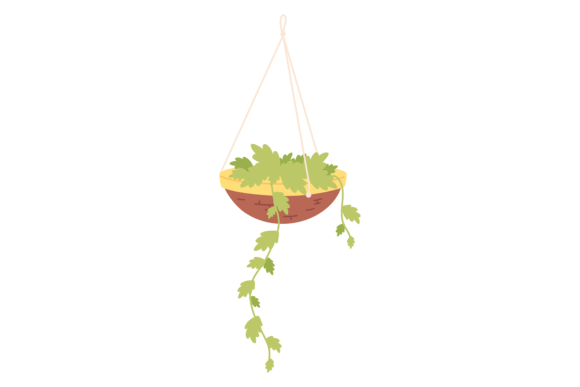
There are design assets that arrive like a fresh breeze. Opening the Home Botany Decoration Color Icon. Decor files this morning felt exactly like that. As someone who runs a small handmade brand and fills orders for everything from market totes to custom mugs, my first glance told me this was a versatile set. The decorative plant pot illustration, isolated on that clean white background, has a gentle, approachable charm. It’s not overly cute or fussy, but carries a cozy, decorative feel. This style speaks to customers who love a touch of nature in their homes—think the buyer of a thoughtfully made greeting card, a personalized planner sticker, or a minimalist wall art printable.
The Personality & Potential of This Botanical Asset
The mood here is casually elegant. It doesn’t scream “rustic” with rough edges, nor is it a bold, graphic statement. Instead, it suggests a premium, gentle decorative accent. This makes it incredibly flexible for building a handmade business collection. Imagine a spring market stall: you could have a line of products all featuring this same cohesive illustration, from gift tags to tumbler wraps, creating a recognizable look for your brand. The color palette in the icon feels soft and versatile, easily adaptable to different materials.
For creative entrepreneurs, this is a graphic design asset that can anchor a seasonal launch. Pair it with a simple serif font for a classic gift tag, or combine it with a playful script font for a more feminine sticker design. Its isolated nature means it’s ready to work as a standalone focal point or be integrated into more complex product mockups.
Real Crafting Applications: From Cricut to Printable Wall Art
Let’s talk practical use. This week, I’m preparing a batch of ceramic mugs for a local gift shop order. The Home Botany Decoration Color Icon. Decor SVG file is perfect for this. I’ll import it into my design software for sublimation design, ensuring the artwork sits cleanly on the mug’s surface. The fact that it comes as an EPS and SVG means the vector lines are crucial—they need to be clean for a sharp print.
But a mug is just one possibility. Here’s where my craft workflow would put this asset to work:
- Cricut Project & Silhouette Project: Cutting vinyl for tote bags or adhesive vinyl for stickers. The simple shapes should cut well.
- T-shirt Design: As a single color heat transfer or as part of a layered design for a lightweight, decorative tee.
- Printable Design: For digital products like planner pages, scrapbooking elements, or instant download wall art. The transparent PNG is key here.
- Handmade Packaging: As a decorative element on thank-you cards or gift tags to elevate your small business branding.
- Party Decorations: For cohesive favor bags, cupcake toppers, or banner accents when scaled appropriately.
Where This Home Botany Graphic Works Brilliantly
This illustration shines in applications that need a clear, decorative accent.
- Large Cut Files: When used for big items like a tote bag front, the details will remain intact.
- Clean Printable Layouts: In a minimal wall art PDF or a greeting card, it acts as a perfect focal point.
- Seasonal Craft Bundles Think a “Spring Refresh” collection for your Etsy product line.
- Personalized Items Adding a name beneath the pot on a mug or tumbler wrap creates a custom gift product.
- Product Mockups Using it to create cohesive visuals for your creative marketplace listings.
Crafting Notes: Where to Use With Care
Honesty is important in a review. While versatile, some applications require a test run. Given the design’s nature, be mindful of:
- Very Small Cutting Details: If reducing it to a tiny sticker (under 1 inch), some finer interior lines might not weed cleanly from vinyl.
- Crowded Compositions Avoid overlaying it with too many other elements; its strength is its simplicity.
- Low-Contrast Color Transfers If using the colored version on a dark substrate, test the color visibility first.
The key is to always test the file before selling finished products. For a Cricut project, cut a small sample. For sublimation design, print a test swatch.
Essential Technical Checks for Your Handmade Business
Before this graphic design asset goes into production for customer orders, here’s my practical checklist:
- Open the SVG in your software. Check if the paths are closed and lines are clean—no stray points that could confuse your cutter.
- Preview the PNG transparency. Ensure the white background is truly gone and edges are smooth for digital products.
- Confirm resolution for your use. The JPG should be high-res for printable designs like wall art.
- Test colors if printing. The on-screen color might differ on physical products like shirts or mugs.
- Check how it looks on both white and dark products. You might need to add a white base layer for dark materials.
- Place it on real mockups in your listing photos to see how it integrates with your brand’s style.
- Resize it for different products. Does it hold its charm when very large or very small?
- Pair it with fonts. Try a sans serif for a modern look, or a handwritten font for a casual, DIY creator vibe.
- Most crucially: confirm your commercial license. Ensure your purchase allows use for the handmade business products you intend to sell.
The Home Botany Decoration Color Icon. Decor is more than just clipart. It’s a building block. For a crafter preparing for a craft fair, it’s a reliable design element that can be quickly adapted across a product line. For an Etsy seller building a new collection, it provides a consistent visual thread. By doing these technical checks and understanding its best applications, you transform this illustration from a digital product into a tangible part of your creative work. It supports the real, sometimes messy, always rewarding process of making things by hand.