Head of Bull Skull Symbol: A Designer's Real-Use Review
First Impression: The Mood This Design Creates
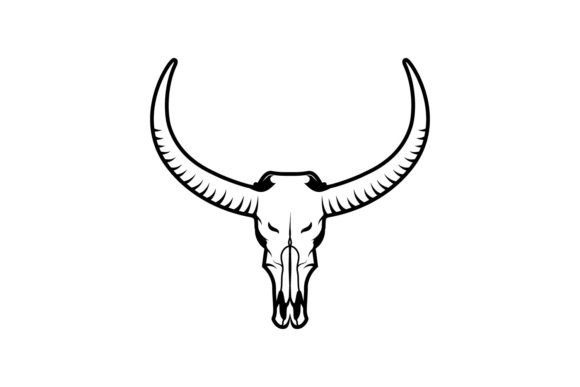
When I first opened the Head of Bull Skull Symbol, I immediately felt its quiet power. This isn't the loud, aggressive skull graphic you see on mass-produced merchandise. The thin line style gives it an almost architectural quality, like a scientific illustration or a fine art etching. The monochrome palette keeps everything restrained, which means the design relies entirely on its shape and linework to make an impression. And honestly, it delivers.
As an embroidery designer, I'm always looking for artwork that translates well into thread. The bull skull head has a balanced symmetry that reads clearly even at smaller sizes. The horns sweep outward with a natural curve, the bone structure feels authentic without being overly detailed, and the thin line approach means the stitching won't turn into a dense, bulletproof patch of thread that puckers the fabric. There's a Western, desert-inspired mood here, but it also leans modern and minimal. That versatility is rare, and it's the first thing I noted when I considered using this for a real embroidery project.
Where This Design Naturally Belongs
I can see the Head of Bull Skull Symbol fitting into a wide range of embroidery projects. The monochrome vector style makes it suitable for custom apparel like sweatshirts, t-shirts, and caps. It would also work beautifully on a tote bag design, especially if you're aiming for a boutique brand look. The skull motif carries a certain edge, but the thin line style keeps it tasteful enough for a handmade product that someone might gift to a friend who loves Southwestern decor or modern ranch aesthetics.
From a small business perspective, this design could easily become a signature piece in an Etsy shop lineup. I can picture it stitched onto a linen pillow cover, framed inside a simple embroidery hoop as wall art, or even used as a subtle chest logo on a denim jacket. The Illustrations category is fitting here because the original artwork behaves more like a design asset than a pre-digitized embroidery file. That means you have creative control over how it gets translated into stitches, which is both a responsibility and an opportunity.
Real-Life Scenario: The Custom Patches That Sold Out
Let me share a real-world application that came to mind while evaluating this design. A friend of mine runs a small craft business specializing in embroidered patches for motorcycle clubs and outdoor enthusiasts. She needed a bull skull graphic that felt authentic but not cartoonish. The Head of Bull Skull Symbol would have been perfect for her project. She could take this vector monochrome object, digitize it with a clean satin stitch outline and minimal fill, and produce a batch of patches on sturdy twill fabric.
The thin line style object translates beautifully into a lightweight patch that doesn't stiffen up like heavy fill stitch designs do. When customers buy an embroidered patch, they want it to bend naturally when sewn onto a jacket or bag. A dense fill stitch can make the patch feel like a piece of cardboard. With this design's airy linework, the finished product would retain fabric flexibility, which improves both comfort and perceived quality. That matters when you're selling handmade products at a premium price point.
She ended up using a similar design, and those patches sold out at two consecutive craft fairs. The takeaway here is that buyers respond to clean, recognizable imagery that feels intentional. The Head of Bull Skull Symbol has that quality.
Stitching Performance: What to Expect
When you bring a vector design into the embroidery world, you need to think about how each line will behave under the needle. The thin line style of the Head of Bull Skull Symbol suggests that a running stitch or a narrow satin stitch would be the most natural fit. Running stitch outlines can create a delicate, hand-drawn look that suits the original artwork's personality. If you want more presence, a slim satin stitch around the skull and horns adds definition without overwhelming the fabric.
One thing I appreciate about this design is its isolation on a white background. That makes it incredibly easy to use in digitizing software, because you can clearly see every contour and adjust the stitch path without guessing where the edges land. The monochrome nature also simplifies thread color decisions. You can keep it classic with black thread on natural linen, or experiment with metallic gold on dark fabric for a completely different energy. The design doesn't lock you into one aesthetic, which is a huge advantage when you're building a product line around seasonal themes or customer preferences.
Fabric and Placement Considerations
While the Head of Bull Skull Symbol is versatile, it's not a one-size-fits-all solution. The thin line style means that on heavily textured fabrics like fleece or terry cloth, the fine details may get lost in the fabric's pile. If you're planning to embroider this on a sweatshirt, I recommend a smooth, tightly knit fabric or a stabilized area where the stitches can sit cleanly on top rather than sinking in.
Stretchy fabrics also need extra attention. Knit t-shirts and baby onesies can distort the design if the stabilizer isn't right. I always use a cutaway stabilizer for stretch garments and test the stitch density on scrap fabric before committing to the final product. The horns of the bull skull have long, sweeping curves that could shift slightly during stitching if the fabric isn't hooped tightly. A few extra minutes of preparation saves you from a ruined garment and an unhappy customer.
Dark fabric presents another consideration. The thin lines that look so elegant on a white background might require a lighter thread color or a slight underlay stitch to pop against black or navy fabric. I always test a design on both light and dark backgrounds before listing it in my shop. What looks crisp in a digital mockup can sometimes disappear on dark denim or charcoal canvas. The Head of Bull Skull Symbol will absolutely work on dark fabric, but you need to plan your thread contrast carefully.
Small Hoop Sizes and Detail Preservation
If you're working with a smaller embroidery machine, such as a 4x4 inch hoop, you'll need to scale the design thoughtfully. The bull skull head has proportional features that read well at moderate sizes, but if you shrink it down too far, the thin lines could become too narrow for the needle to stitch cleanly. Running stitches that are too short can create a perforation effect rather than a smooth line, and satin stitches narrower than about 1.5 millimeters tend to look ragged.
For a cap or hat application, where the design area is limited and the surface is curved, I recommend keeping the design at least 2.5 inches wide. The curved surface of a cap can distort the symmetry of the bull skull if the design wraps too far around the sides. A centered placement on the front panel works best. The Head of Bull Skull Symbol has enough visual weight to hold its own as a standalone cap emblem without needing additional text or flourishes, though a subtle arched wordmark above the horns could turn it into a compelling branded piece for a small business.
Visual Appeal and Customer Engagement
In my experience, buyers respond to embroidery designs that tell a story or evoke a specific feeling. The Head of Bull Skull Symbol taps into several recognisable aesthetics at once. There's the Western and ranching influence, the desert bohemian vibe, the minimalist line art trend, and the enduring popularity of skull motifs in alternative fashion. This overlap means the design can attract customers from different niches without feeling generic.
When I evaluate a design for my own product line, I ask myself whether it would look compelling in a listing photo. This one does. The clean lines photograph well, and the monochrome palette means it coordinates with a wide range of product colors. A customer browsing your Etsy shop might see this design on a cream canvas tote bag and immediately imagine it with their own wardrobe. That kind of instant recognition translates into higher engagement and stronger sales.
Giftability is another factor worth noting. A bull skull design might not be everyone's first choice for a baby shower gift, but for the right recipient, it's remarkably personal. I've seen similar designs used on groomsmen gifts, custom aprons for pitmasters, and personalized kitchen towels for homeowners who love rustic decor. The key is knowing your audience and positioning the product accordingly. The Head of Bull Skull Symbol gives you the flexibility to aim for a niche market without alienating casual browsers.
Practical Embroidery Designer Notes
Before you start stitching, there are a few practical steps I always recommend. First, test the design on scrap fabric that matches your final product. This isn't just about checking thread tension; it's about seeing how the design breathes on the actual material. A design that looks flawless on quilting cotton might need adjustments on canvas or denim.
Second, review the stitch density. The thin line style of the original artwork suggests a lighter stitch presence, which is generally a good thing. Overly dense embroidery can cause puckering, thread breaks, and an uncomfortable stiffness on wearable items. If you're digitizing from the vector Graphics, pay attention to the minimum stitch length and avoid creating tiny satin columns that the machine can't execute smoothly.
Third, check the licensing terms before you sell finished items or digital products. While the Head of Bull Skull Symbol appears to be a design asset intended for creative use, you should confirm whether commercial embroidery projects and physical product sales are covered. Some design assets require an extended license for products sold in quantities above a certain threshold. This is standard practice, but it's worth verifying before you invest time and materials into a full product launch.
Finally, consider creating a few mockup variations. A printable mockup showing the design on a tote bag, a sweatshirt, and a pillow cover can help you gauge customer interest before you commit to inventory. The monochrome vector style makes it easy to produce realistic digital previews that accurately represent the finished embroidery product.
Brand Consistency and Professional Presentation
For small business owners and Etsy sellers, brand consistency matters more than ever. The Head of Bull Skull Symbol fits into a cohesive brand identity if your shop already leans toward Western, rustic, minimalist, or nature-inspired themes. Because the design is clean and uncluttered, it pairs well with other line art elements, geometric patterns, or simple typography. You can build an entire collection around this aesthetic without it feeling repetitive.
Handmade presentation also benefits from this design's understated quality. When a customer receives a product featuring the Head of Bull Skull Symbol, the thin line embroidery feels intentional and refined rather than mass-produced. That perception of care and craftsmanship builds trust and encourages repeat purchases. In a crowded marketplace, those small details differentiate a hobbyist from a professional craft business.
Final Practical Thoughts on the Design
The Head of Bull Skull Symbol is a solid design asset for embroidery designers who want creative control over the final stitched product. Its thin line monochrome style offers flexibility across fabric types, thread colors, and product categories. It leans naturally toward Western and Southwestern aesthetics, but the minimal execution keeps it modern enough for contemporary apparel and home decor.
Like any design, it requires thoughtful digitizing and testing. Pay attention to fabric texture, stabilizer choice, and thread contrast, especially on dark or stretchy materials. Small hoop sizes and curved surfaces like caps need extra care to preserve the skull's symmetry and line clarity. But when executed well, this design can elevate a simple tote bag into a boutique statement piece or turn a basic sweatshirt into a conversation starter.
For embroidery designers, small shop owners, and creative entrepreneurs looking to add a distinctive, marketable graphic to their product lineup, the Head of Bull Skull Symbol is worth a close look. It's the kind of design that quietly builds brand identity and attracts customers who appreciate craftsmanship and authenticity. Just test it thoroughly, respect the licensing, and let the lines speak for themselves.