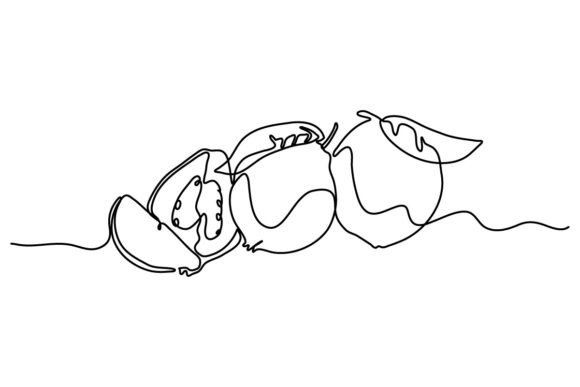
A Real-World Review of Guava One Continuous Line for Embroidery Projects
First Glance: Simplicity That Sings
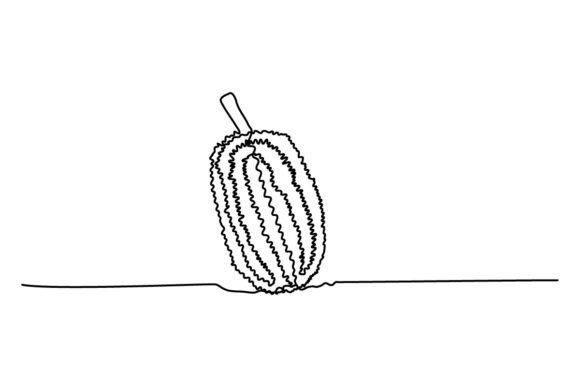
Opening Guava One Continuous Line immediately sets a mood. It’s cheerful and clean. The single, unbroken line forming the guava shape isn’t just a drawing—it’s a statement of modern, minimalist craft. This design feels friendly, a touch whimsical, yet utterly professional. The layout is confident; it doesn’t scream for attention but holds it with graceful simplicity. As a designer, my first thought isn't about the technical file specs, but about what kind of project this personality belongs to. It feels destined for items where the design is the hero: a crisp tote bag, the front of a baby’s organic cotton romper, or a linen apron in a boutique kitchen.
The Real Embroidery Test: Where This Design Shines
Let’s talk practical application. I’m picturing a real scenario: a client wants a set of personalized kitchen towels as wedding gifts. Guava One Continuous Line enters the conversation. Its continuous line nature translates beautifully into machine embroidery. Think of it as a sophisticated running stitch path. On a smooth cotton tea towel, this design will stitch out with remarkable clarity. The lack of intricate fill areas means less stitch density, which is a gift on thinner fabrics—it reduces puckering and maintains a soft hand-feel, crucial for items like apparel and baby clothes.
For small business owners and Etsy sellers, this is a versatile asset. Imagine it embroidered on the breast of a premium sweatshirt: it’s decorative without being overpowering, elevating the garment’s perceived value. As an embroidered patch on a canvas tote, it becomes a recognizable brand element for a craft business. The design’s clean lines ensure high stitching clarity, which directly builds customer trust—a messy, unclear stitch can undermine a handmade presentation, but this design, executed well, looks intentional and professional.
Niche Products and Giftability
This isn’t a generic graphic. Its specific fruit theme makes it perfect for niche products. Nursery decor with a tropical touch, a cheerful cap for a gardener, or a set of aprons for a gourmet food brand. The giftability here is high because the design is both decorative and conceptually simple—it feels personal without being overly sentimental. For apparel decorators, it’s a quick, stunning addition to a curated collection, easily paired with text for a custom look. In printable mockups for digital product sellers, the SVG and EPS files allow for crisp previews that sell the dream of the finished embroidered product.
Careful Application: When to Mind the Details
Even with its simplicity, Guava One Continuous Line demands thoughtful execution. The continuous line means all details are connected. On very small hoop sizes, some of the finer curves—like the stem or the fruit’s contours—might need adjustment to prevent thread breaks or loss of definition. I’d be cautious using it on highly textured fabrics like thick terry cloth or looped blankets, as the line could get lost in the texture.
Dark fabric backgrounds require special consideration. The design is drawn on a white background, but for embroidery, you’re not printing white—you’re stitching with thread. Thread color contrast is paramount. A light guava line on a dark navy sweatshirt can look stunning, but you must test to ensure the single line remains visually distinct and doesn’t appear fragmented. On curved surfaces like caps, the elongated, smooth shape should adapt well, but always use proper stabilizer to maintain the line’s integrity on the stretchy fabric.
For products needing frequent washing, like baby clothes or kitchen linens, the relatively low stitch density of this line design is a benefit—it’s less abrasive and more durable. However, always inspect the stitch path in the embroidery file to ensure no single section is overly dense or has tiny, tight corners that could weaken with abrasion.
Affecting Your Business and Craft
Using a design like Guava One Continuous Line affects more than just the stitch. It influences your brand consistency. If your shop vibe is modern and clean, this design reinforces it. For creative entrepreneurs, it’s a commercial embroidery asset that can be applied across product lines—from digital graphics to physical patches—creating a cohesive look. The professionalism of the finished product directly impacts buyer engagement; a well-executed, stylish design makes customers pause and click.
Practical Designer Notes Before You Hoop
My final advice, as someone who’s learned through trial, is to always treat a new embroidery file with respect. First, test Guava One Continuous Line on scrap fabric that matches your final project material. This reveals everything: how the thread flows, if any jumps seem awkward, and how it looks in physical thread versus screen. Check your thread color against your background fabric in both natural and indoor light.
Run the design through your software to review the stitch path. Since we have EPS, SVG, and JPG, the vector files are ideal for scaling to your precise hoop size before creating the embroidery file. Confirm that size works for your project—it might be perfect at 3 inches for a cap, but need scaling to 5 inches for a tote bag centerpiece. Test it in black and white mockups to see its form without color bias.
Crucially, understand the license. This product is in the Illustrations and Graphics category. Before selling finished items or using it in commercial embroidery projects for clients, confirm the licensing terms for the digital embroidery file you create from these assets. Does it allow for physical product sales? Always verify.
In essence, Guava One Continuous Line is a designer’s tool for creating understated elegance. It’s not a loud shout but a clear, confident voice in your embroidery project lineup. Approach it with practical preparation, and it will reward you with a finished product that feels both handmade and expertly designed.