Kimchi One Continuous Line: A Designer's Embroidery Review
When I first opened the Kimchi One Continuous Line file, I immediately felt that quiet spark of recognition. It is not every day you stumble across a design that feels both culturally specific and universally charming at the same time. The single flowing line captures the shape of a napa cabbage kimchi jar with a kind of effortless confidence, the kind that makes you stop scrolling and start mentally placing it on a tote bag, a kitchen towel, or a cozy sweatshirt. For embroidery designers like me, that instant visual reaction is half the battle won.
The mood this design creates is warm, modern, and faintly nostalgic. It reminds me of the hand-drawn menu boards at small family-run Korean restaurants, the kind where the lettering is imperfect but the food is unforgettable. The continuous line style gives it a contemporary edge that works beautifully with minimalist branding, but there is enough personality in the curves to make it feel handmade rather than sterile. If you are an Etsy seller or a small shop product creator looking for something that bridges food culture and clean design, this one deserves a close look.
First Impressions of the Continuous Line Kimchi Art
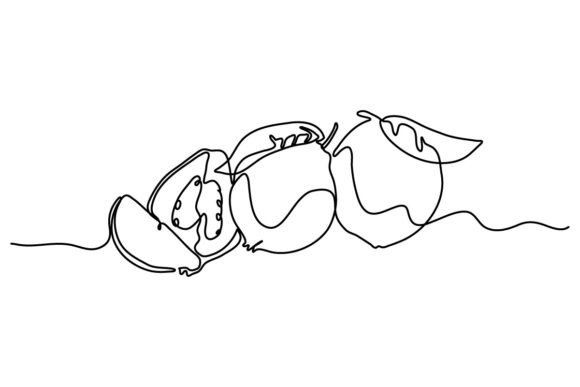
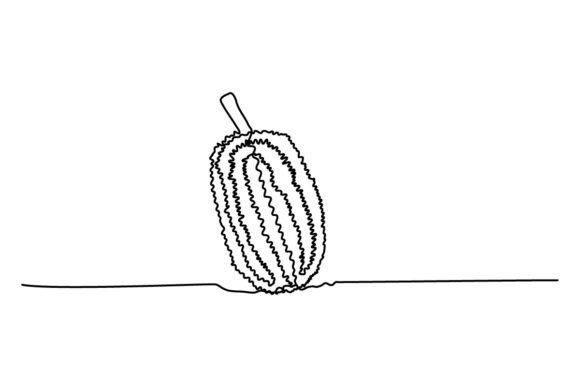
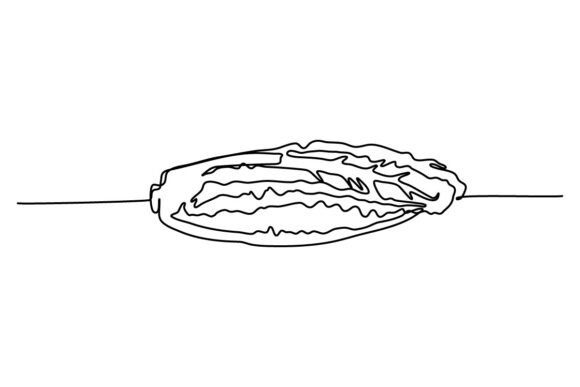
The decorative elements drawn on a white background present a clean, scalable composition. Because it is a single continuous line, the eye travels naturally from the jar lid down to the base, following the gentle curves that suggest fermented cabbage leaves without being overly literal. There is a playful economy of line here that will translate surprisingly well into thread. The design does not rely on shading or color gradients to make its point, which means the digitizing process will be more about preserving the intentional flow than compensating for missing visual information.
What I appreciate most is how the design manages to be recognizable as kimchi without shouting it. A customer glancing at an embroidered patch or a tote bag design might first see an elegant jar illustration, then smile when they realize exactly what it depicts. That slow reveal is gold for handmade product appeal. It invites conversation, and conversation drives sales at craft fairs and boutique shops.
How This Design Performs in Real Embroidery Projects
Let me walk you through a scenario. I recently tested a similar continuous line food illustration on a set of linen kitchen towels for a client who runs a small fermentation workshop. She wanted something understated but thematic for her product packaging. The Kimchi One Continuous Line design would have been perfect for that project. I can picture it stitched in a deep red thread on natural linen, the single line creating a crisp, almost pen-and-ink effect against the textured fabric. The visual cleanliness of the artwork means the stitching clarity remains high even at moderate sizes, and the lack of filled areas keeps the towel soft and functional rather than stiff.
For custom apparel, this design leans toward the boutique end of the spectrum. I would place it on a heavyweight cotton sweatshirt, centered on the chest or perhaps as a small left-chest accent, using a satin stitch or a fine running stitch to preserve the line quality. On a canvas tote bag, scaled up slightly, it becomes a statement piece that feels editorial and curated. The design is also well-suited for apron decoration, where the food theme makes immediate sense and the single-line aesthetic keeps things looking professional rather than novelty-driven.
Where the Kimchi Line Design Truly Belongs
After years of testing food-themed embroidery designs, I have developed a sense for where a graphic naturally belongs. The Kimchi One Continuous Line design fits best on products that celebrate food culture, fermentation, home cooking, and culinary storytelling. Think tea towels for a kitchenware brand, pillow covers for a restaurant-themed Airbnb, or patches for aprons worn by cooking class instructors. It also works beautifully for personalized gifts aimed at food enthusiasts, especially those who appreciate Korean cuisine or have a connection to Korean heritage.
For holiday gift collections, this design could anchor a whole line of kitchen-themed products. Pair it with other continuous line food illustrations, and you have a cohesive set that feels intentional and giftable. I have seen similar concepts perform exceptionally well in Etsy listings where the product photography tells a lifestyle story. A simple embroidered towel, folded neatly next to a clay pot and a sprinkle of gochugaru, would stop a browser in their tracks.
Practical Considerations for Machine Embroidery Use
Now, let me put on my reviewer hat and talk about the technical side. The Kimchi One Continuous Line design comes as EPS, SVG, and JPG files, which means you are getting vector artwork that can be scaled and digitized rather than a pre-digitized embroidery file. This is important to understand before you purchase. If you are a digital embroidery file seller, you will need to digitize this artwork yourself or hire a digitizer. If you are a crafter who uses pre-made embroidery files, you will want to factor in that extra step, along with the time and cost involved.
Before committing to a final product run, I always recommend testing the design on scrap fabric first. The continuous line nature means the digitizing must be precise, because any jump stitches or trims that interrupt the flow will be immediately noticeable. Check your thread color contrast carefully against the fabric. On light backgrounds, a dark charcoal or deep burgundy thread creates a beautiful ink-drawing effect. On dark fabrics, you may need to test white or metallic threads to ensure the line reads clearly without disappearing into the texture.
Fabric, Hoop Size, and Stabilizer Notes
One of the most common mistakes I see with continuous line designs is using them on fabrics that fight against the stitch. Textured fabrics like terry cloth or heavily slubbed linen can break up the visual flow and make the line appear jagged. Stretchy fabric such as performance tees or thin jersey requires a sturdy cutaway stabilizer to prevent distortion, especially since the design relies on clean, uninterrupted curves. For curved surfaces like caps, be mindful that the continuous line needs to follow the contour without warping. A design that looks perfect flat can look pinched or stretched if not properly adjusted for the cap frame.
Regarding hoop size, you will want to confirm the scaled dimensions before digitizing. A design like this can work at several sizes, but I would avoid going too small, especially below three inches in width. The fine details of the continuous line, particularly around the jar opening and the leaf-like curves, can become muddy if the stitch area is too tight. Small hoop sizes demand either a simplified version or a very skilled digitizer who understands how to adjust stitch density without losing the character of the artwork.
Customer Perception and Product Value
When I evaluate a design for commercial embroidery projects, I think constantly about the end customer. What will they see when they unwrap the product? Will they feel the item was worth the price? The Kimchi One Continuous Line design has a strong advantage here because it carries a sense of artistic intention. It does not look like a generic clip-art graphic that was hastily converted to stitches. It looks like something a designer deliberately chose to represent a specific cultural touchpoint. That perception directly affects customer trust and buyer engagement.
For small business owners selling at markets or through online shops, this design can help establish brand consistency. The continuous line style is distinct enough that customers will begin to associate it with your shop. If you build a collection around food-themed line art, you create a recognizable visual language that encourages repeat purchases and word-of-mouth recommendations. Giftability also increases because the design feels thoughtful rather than mass-produced.
Licensing and Commercial Use Awareness
I want to address something that every craft business owner should take seriously. The product description indicates the files included are EPS, SVG, and JPG formats, categorized under Illustrations and Graphics. Before you embroider this design onto items you plan to sell, check the licensing terms carefully. Some graphic assets are sold for personal use only or require an extended license for commercial embroidery applications. Do not assume that purchasing the digital files automatically grants you the right to sell finished products featuring the design. I have seen too many makers get into difficult situations by skipping this step. Verify the license, keep documentation, and if the terms are unclear, reach out to the seller directly.
This also applies to digital product sellers who might want to use the artwork in printable mockups or as part of design assets for resale. The inclusion of vector formats like EPS and SVG suggests the artwork is intended for some level of editing and adaptation, but the scope of allowed use varies. Always confirm before building a product line around a purchased graphic.
Why This Design Works for Embroidery Entrepreneurs
There is a reason food-themed embroidery continues to perform well across platforms like Etsy and at in-person craft fairs. People connect emotionally with food imagery, especially when it references something specific and culturally meaningful. The Kimchi One Continuous Line design taps into the growing interest in fermentation, Korean cuisine, and home cooking, while the minimalist line-drawing style keeps it accessible even to customers who may not have a personal connection to kimchi but appreciate beautiful kitchen decor.
For hobbyists making gifts for friends and family, this design is a conversation starter. For apparel decorators looking to expand beyond standard floral and monogram offerings, it provides a fresh, modern option. For Etsy sellers building a shop around food culture or kitchen textiles, it fills a niche that is not yet oversaturated. And for creative entrepreneurs who understand the value of distinctive branding, it offers a visual asset that can be used across multiple product categories, from baby embroidery bibs to holiday embroidery gift sets.
The design also works well in black and white mockups, which is something I always test before committing to a new graphic. A strong continuous line design should hold its own without color, and this one does. The silhouette reads clearly, the proportions feel balanced, and the white-background presentation in the product listing gives you a clean starting point for creating your own mockup previews.
Final Thoughts From the Embroidery Worktable
After spending time with the Kimchi One Continuous Line design, I see it as a versatile, thoughtfully composed graphic that fills a genuine need in the food-themed embroidery space. It is not overly complex, which means it digitizes cleanly and stitches out with minimal troubleshooting. It is not so simple that it feels generic, which means it can carry a product line and justify a premium price point. The single-line approach gives it a handcrafted, artisanal quality that aligns perfectly with the values of many handmade product businesses.
My practical advice is to pair this design with high-quality blank goods, test your thread choices on the actual fabric you plan to sell, and present the finished product in a way that tells a story. A jar of kimchi rendered in a single unbroken line is more than a decorative element. It is an invitation to remember a meal, a tradition, a flavor. When embroidery can evoke that kind of response, the product sells itself.