Spaghetti One Continuous Line: A Designer's Hands-On Review
First Look at the Artwork
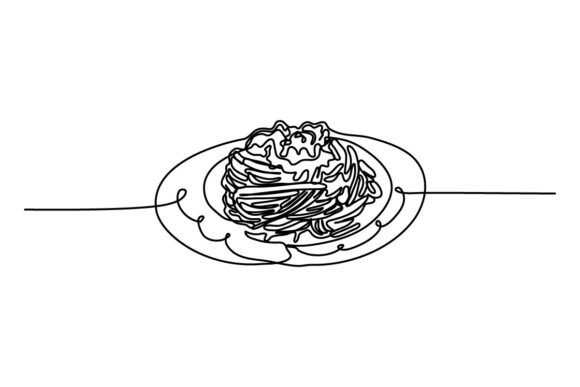
When I first opened the Spaghetti One Continuous Line file, I felt an immediate sense of warmth. There is something deeply charming about a single unbroken line capturing the essence of a plate of spaghetti. It reads as playful, effortless, and surprisingly sophisticated all at once. The continuous line style gives the design a fluidity that feels organic rather than rigid, which matters a great deal when you are thinking about how thread will actually lay on fabric.
The design sits on a clean white background, and the decorative elements are drawn with an economy of line that I appreciate. Too many restaurant-themed graphics feel heavy or overly detailed, but this one breathes. It has the kind of visual personality that translates beautifully into a handmade product without screaming for attention. For embroidery designers, small business owners, and crafters who want something that feels both modern and nostalgic, this Spaghetti One Continuous Line concept lands in a sweet spot.
Why the Continuous Line Style Works for Embroidery
Continuous line art has a natural advantage when you are thinking about stitch paths. The absence of broken segments means fewer trims and jumps, which leads to cleaner embroidery results. I kept picturing this design stitched out in a single smooth running stitch or a delicate satin stitch, depending on the scale. The visual rhythm of the spaghetti strands curling around each other creates a sense of movement that would look especially lovely on a tea towel, an apron, or the corner of a kitchen pillow cover.
What strikes me most is how the Spaghetti One Continuous Line design manages to evoke a full restaurant food menu concept without needing any text or supporting elements. The image alone tells the story. That kind of visual clarity is priceless when you are building a cohesive product line for a craft business or preparing an Etsy listing that needs to catch a buyer's eye in a split second.
Real Project Scenario: A Boutique Kitchen Towel Set
Let me walk you through a real use case I have been mentally workshopping. I am currently planning a small batch of embroidered kitchen towels for a local boutique that specializes in food-themed home goods. The owner wants something that feels artisanal, not mass-produced. The moment I saw the Spaghetti One Continuous Line graphic, I knew it belonged on a flour sack cotton towel, stitched in a warm golden thread against a natural off-white background.
I would position the design slightly off-center near the bottom hem, leaving enough negative space for the towel to still feel functional. The continuous line aesthetic would complement the woven texture of the fabric rather than fighting it. In my experience, overly dense designs on kitchen towels never age well, especially after repeated washing. A lighter, airier stitch approach, which this line art style naturally encourages, tends to hold up far better over time. The boutique owner would likely pair these towels with a coordinating olive oil bottle or pasta server, and the Spaghetti One Continuous Line design would tie the whole gift set together visually.
Where This Design Shines Brightest
After years of testing embroidery concepts on real products, I have developed a pretty reliable instinct for where a design will perform best. The Spaghetti One Continuous Line motif feels made for kitchen textiles, but its range extends further than that. I can easily see it working on a canvas tote bag for a farmers market shopper, stitched onto a simple cotton apron for a cooking class instructor, or even scaled down for a subtle accent on a baby bib. The food theme is universally understood, and the line art style keeps it from feeling childish or novelty-driven.
For Etsy sellers and craft fair vendors, this design offers strong giftability. People gravitate toward food-themed embroidery for housewarming presents, wedding gifts for couples who love cooking together, and holiday presents for the home chef. A Spaghetti One Continuous Line design on a set of linen napkins or a bread basket liner would photograph beautifully for a listing, and the product would arrive looking exactly as the customer expected. That consistency builds trust and repeat sales.
Digital product sellers and printable mockup creators will also find the Spaghetti One Continuous Line artwork useful. The clean lines and white background make it easy to drop into branding presentations, menu concepts, or social media graphics for food-related businesses. Since the files come in EPS, SVG, and JPG formats, the design is compatible with a wide range of editing software and can be resized without losing quality, which is essential when you are preparing design assets for multiple uses.
Fabric and Surface Considerations
Not every surface is friendly to line-based embroidery, and I want to be honest about where this design needs a little extra care. Thin or stretchy fabrics, like lightweight jersey or cheap cotton blends, can cause the continuous line to pucker if the stabilizer is not sufficient. I would recommend a medium-weight cutaway stabilizer for anything with stretch, and a tear-away option for woven fabrics like cotton canvas or linen.
Dark fabrics present a contrast challenge that is worth testing before committing to a full production run. The Spaghetti One Continuous Line artwork is drawn on a white background, which means the visual weight of the lines reads best against a light or neutral ground. On a black apron or a navy tote, you may need to use a thicker thread or a slightly bolder stitch setting to preserve the legibility of the spaghetti strands. I always recommend stitching a small test sample on a scrap of the actual fabric you plan to use, especially when working with a design that relies on thin, continuous lines for its personality.
Curved surfaces like caps and hats are another area where I would proceed with caution. The design has a nice organic flow, but the rounded shape of a cap brim can distort the proportions if you are not careful about placement and hooping. A flat surface like a tote bag panel, a pillow cover front, or a tea towel will give you the most predictable and professional results.
The Mood and Branding Potential
There is a quiet confidence to the Spaghetti One Continuous Line design that I think many embroidery designers and small shop owners will appreciate. It does not rely on loud colors or heavy fills to make an impression. Instead, it trusts the viewer to recognize the familiar shape of a twirled pasta dish, and that recognition creates a small moment of delight. That is exactly the kind of emotional response you want your handmade products to generate.
For anyone building a boutique brand around food, family, or Italian culinary culture, this design offers a consistent visual anchor. You could repeat it across multiple products, aprons, towels, napkins, tote bags, and even simple embroidered patches, and the collection would feel cohesive rather than repetitive. The continuous line style also photographs beautifully for social media, where clean, minimalist designs tend to perform well in feeds and on product listing pages.
Practical Notes for Embroidery Digitizing
Since the Spaghetti One Continuous Line product is delivered as an illustration in EPS, SVG, and JPG formats, not as a pre-digitized embroidery file, you will need to handle the digitizing step yourself or work with a trusted digitizer. This is standard for graphics in the Illustrations category, and honestly, I prefer it this way. It gives me full control over stitch type, density, and sequence, rather than being locked into someone else's decisions about how the embroidery should run.
When you digitize this design, pay close attention to the line thickness. The original artwork uses thin, elegant strokes that may need slight thickening for smaller hoop sizes. If you are planning to stitch the design at less than four inches wide, I would test the running stitch width carefully. Too thin and the thread may not hold up through washing; too thick and you lose the delicate charm of the continuous line concept. A single pass of running stitch with a 40-weight thread on a stable woven fabric usually hits the right balance for this style.
Thread color selection matters enormously with line art embroidery. I have found that slightly variegated threads, perhaps a warm cream shifting into a soft gold, can add a subtle handmade texture that elevates the entire finished product. For a more modern look, a crisp charcoal thread on white linen feels clean and gallery-worthy. Test your color choice against the actual fabric background before you stitch the final piece, and always check how the design reads in a black and white mockup. Good contrast is what makes a line-based design visually accessible from across a room.
Hoop Size and Placement Flexibility
The Spaghetti One Continuous Line design has a horizontal orientation that fits naturally into a standard four-by-four or five-by-seven hoop, depending on how you scale it. I would avoid cramming it into a tiny hoop, as the spaghetti strands can start to blur together and lose their distinct shape. A medium hoop size gives the lines enough room to breathe and allows the decorative swirls to read clearly.
Placement is another area where this design rewards thoughtful decision-making. On a sweatshirt, I would place it on the left chest area, small but visible. On a tote bag, I would go larger and center it for maximum impact. On a tea towel, the bottom corner or the center band both work beautifully. The design's proportions are forgiving enough to adapt to different product layouts without requiring extensive resizing or cropping.
Commercial Use and Licensing Awareness
Before you stitch the Spaghetti One Continuous Line design onto products for sale, confirm the licensing terms that come with your purchase. The product description lists the file formats you receive, but commercial use permissions are not detailed here. If you plan to sell finished items like embroidered towels, tote bags, or apparel through your Etsy shop or craft business, you need to know whether the license covers physical end products for sale. Most illustrators do allow this, but you should verify before you invest time and materials into a production run.
Similarly, if you are a digital product seller who wants to use the design in printable mockups or as part of a branding kit for clients, check whether the license extends to those uses. The EPS and SVG formats make the design easy to incorporate into digital work, but proper licensing protects both you and the original artist.
Final Thoughts From the Worktable
After spending time evaluating the Spaghetti One Continuous Line artwork from every angle that matters to a working embroidery designer, I can say this is a design with genuine staying power. It is not trendy in a way that will feel dated next season. Food themes are perennial, and the continuous line style has been a quiet favorite in the handmade community for years. The restaurant food menu design concept is executed with restraint and charm, and the decorative elements are balanced without feeling cluttered.
For crafters preparing holiday gifts, for small business owners building a food-themed product line, and for makers who want embroidery that feels personal and warm, the Spaghetti One Continuous Line design is a solid choice. Test it on your fabric first, choose your thread color with intention, and let the simple elegance of a single unbroken line do the rest.