Practical Value of Vintage Flower Graphics for Local Branding
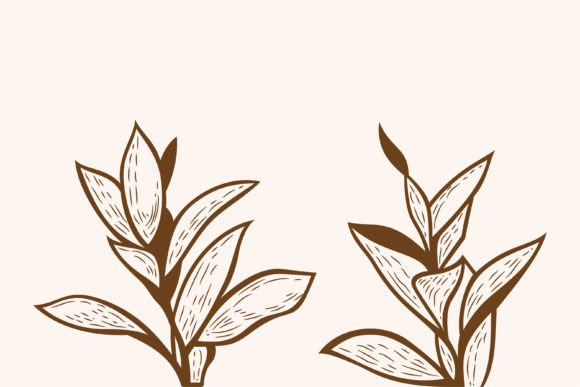
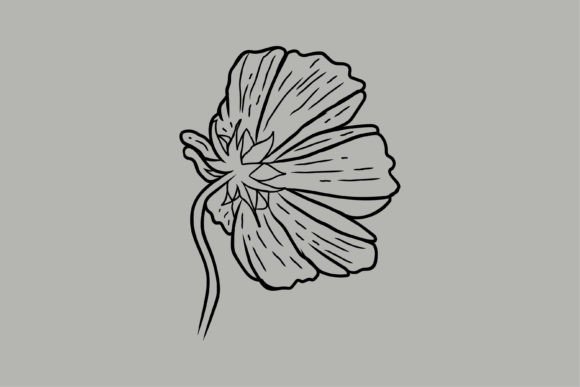
As a brand designer working with small businesses, my first task is to evaluate potential design assets not just for their beauty, but for their real-world commercial utility. When I first opened the file for the Illustration of Vintage Flower, my immediate impression was of a hand-drawn, botanical authenticity. It suggests a brand personality that is organic, rustic, and gently feminine. This isn’t a slick, modern graphic; it’s a line art drawing that feels connected to nature, tradition, and craftsmanship.
Finding the Right Business Fit for this Graphic Design Asset
This asset immediately conjured a project for a local client: a small-scale, herbal skincare maker. The wild rose flowers and berries, with that medicinal herb aesthetic, are a perfect visual metaphor for purity and natural ingredients. Beyond skincare, this illustration could be the cornerstone for a handmade soap business, a boutique florist, a specialty tea or honey producer, or a bakery with a rustic, farmhouse ethos. It leans toward premium and handmade, but not overly luxurious—it’s approachable elegance.
From Digital File to Physical Product: Real Packaging Applications
The true test of any illustration is how it translates from screen to shelf. For the Illustration of Vintage Flower, its outline vector nature means it’s incredibly adaptable. Here’s where I see it working powerfully in a local business context:
- Product Labels & Packaging Accents: As a hero graphic on a jar of rosehip salve or a bottle of herbal syrup. Its isolation on a white background in the file makes it easy to drop onto label layouts.
- Brand Identity Touchpoints: Simplified elements can work for a logo, while the full bouquet can adorn hang tags, thank-you cards, and business cards, creating instant consistency.
- Promotional & Retail Visuals: It can anchor flyers for a farmer’s market stall, become a decorative border on a boutique’s price list, or feature in social media graphics announcing a new seasonal line.
- Website & Editorial Design: As a section divider on a ‘Our Ingredients’ page or a repeating motif in blog posts about craftsmanship.
How This Asset Builds a More Professional Business Presentation
Using a cohesive, quality graphic design asset like this transforms a business’s visual communication. For a local brand owner, it directly supports:
- Stronger First Impression & Shelf Appeal: On a crowded shelf, a product with this distinctive, hand-crafted illustration stands out and feels intentional.
- Improved Customer Trust: Consistent, professional visuals signal that the business is established and cares about its presentation, which builds credibility.
- Clearer Emotional Connection: The vintage, botanical style resonates with customers seeking authenticity, creating a narrative around your product.
- More Polished Marketing Visuals: From Instagram posts to email banners, having a key illustrative element raises the quality of all your promotional material.
The Best Places to Feature This Illustration
Based on its style, the Illustration of Vintage Flower works best as a decorative brand element or a focal point. Use it prominently on:
- Primary product labels and packaging fronts.
- Thank-you cards and packaging inserts to enhance the unboxing experience.
- Seasonal campaign graphics, like a limited-edition holiday soap collection.
- Boutique store signage or window display visuals.
- Product mockups for your online store, making your offerings look tangible and desirable.
Practical Designer Notes for Commercial Use
Before you commit this asset to your brand identity or a client’s project, run these practical checks:
- Test on Mockups: Place it on a digital mockup of your actual packaging. Does it scale well? Does it retain its character on a small jar lid?
- Check Color & Contrast: Test it with your brand colors. Does a single-color version work for cost-effective printing? How does it look on a dark background?
- Review Typography Pairings: Place it beside your chosen font. A clean sans-serif font will make it feel modern-rustic; a script font might lean too decorative. Find the balance.
- Confirm the License: Absolutely verify the commercial license terms. For physical product sales and branding, you need clear rights to use it for commercial design.
- Inspect Technical Quality: If it’s an SVG or vector file, open it to ensure it’s cleanly editable for color changes or simplifying elements for a logo.
Where to Apply Caution with This Vintage Flower Graphic
While versatile, this asset has a specific mood. Avoid using it where its decorative nature might clash:
- On Very Small Labels with Critical Text: If your label is tiny and packed with legal information or ingredients, this detailed bouquet could compete with readability.
- For Ultra-Minimalist or Corporate Luxury Brands: Its sketched, illustrative style doesn’t align with a sleek, sparse luxury aesthetic.
- As a Background on Text-Heavy Layouts: Using it as a full background behind paragraphs of text will likely create visual clutter.
- In Formal, Non-Botanical Contexts: It wouldn’t suit a tech startup or a financial service—its narrative is firmly in the natural, crafted world.
Ultimately, the Illustration of Vintage Flower is more than just clipart. For the right local business—one rooted in nature, craftsmanship, and authenticity—it becomes a foundational graphic design asset. It can elevate packaging design, unify marketing visuals, and help a small brand present itself with the professional cohesion that fosters trust and connection. My final advice is to see it as a tool: test it thoroughly in your specific context, and let its vintage charm work for your brand’s unique story.