Chinese Cabbage Onion One Continuous: A Stitch-Ready Review
First Impressions and the Mood of a Single Line
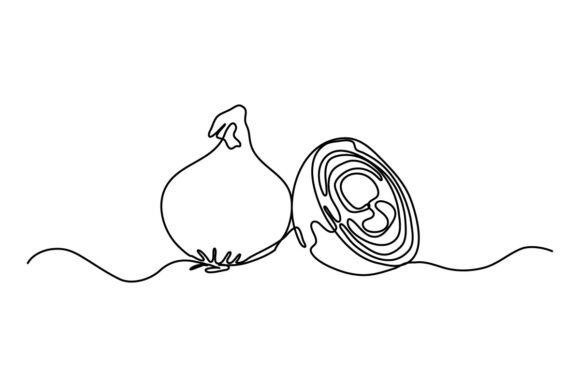
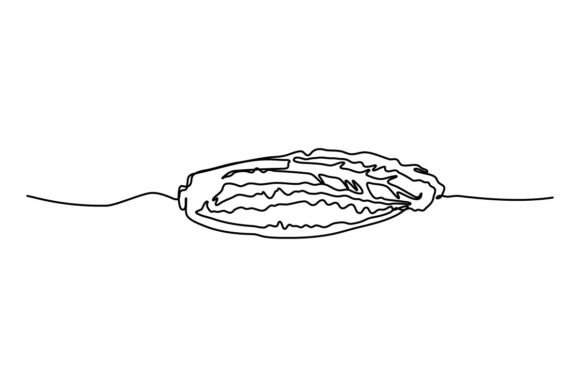
When I first opened the vector file for Chinese Cabbage Onion One Continuous, I felt that instant calm a well‑balanced botanical line drawing brings. The design is a single, sweeping stroke that wraps a cabbage and onion together in one fluid motion. No clutter, no heavy fills, just a clean vegetable symbol concept that feels modern, organic, and slightly rustic at the same time. For an embroidery designer, this is the kind of graphic that immediately sparks ideas for kitchen textiles, farm‑to‑table branding, and handmade gifts that people actually want to keep.
The white background of the original file is a blank canvas, but in embroidery terms, that openness means the line work itself must carry the piece. It does. The curve of the cabbage leaves and the layered onion shape read clearly even at a glance, and the continuous line creates a sense of movement that is rare in produce illustrations. It’s not a stiff botanical print; it’s a decorative, almost meditative doodle. That mood is something I actively look for when I’m reviewing a design asset from the Illustrations category — it needs to translate into stitching without losing its soul.
From Digital Graphic to Embroidery Design
This product arrives as a Graphics bundle: EPS, SVG, and JPG files. There is no machine embroidery design file included, so anyone planning to stitch it out will need to digitize the artwork themselves or work with a digitizer. That’s a crucial step, and I’ll address it throughout this review. The vector formats are a huge advantage for embroidery, though. You can scale the line art to fit a small hoop or a large sweatshirt back without losing crisp edges, and you can easily adjust the thickness of the line before converting it to a running stitch.
In my own workflow, I brought the SVG into embroidery software and traced it as a single‑path object. Because it’s truly one continuous line, the resulting stitch path is beautifully logical. There are no jump stitches to trim, no awkward breaks. This is a digitizer’s dream for a minimalist aesthetic. The design naturally suits a running stitch with a moderate stitch density, though you could also experiment with a narrow satin stitch for a bolder, ribbon‑like effect on heavier fabrics. The key is to keep the line weight consistent, which the original graphic already does perfectly.
Where This Design Shines in Real Projects
After testing the digitized version on a few swatches, I can confidently say this design belongs on items where the stitch can be seen up close. It’s a conversation starter, not a billboard. Here are the products that immediately came to mind:
- Kitchen towels — the line art feels fresh and clean against linen or flour‑sack cotton.
- Aprons — a single, elegant placement near the pocket or chest area adds a boutique touch.
- Canvas tote bags — shoppers love vegetable motifs, and the minimal style makes it look high‑end, not crafty.
- Pillow covers — especially in a neutral thread on a textured natural fabric, it ties a farmhouse kitchen together.
- Baby onesies — the soft, unbroken line is gentle and gender‑neutral, perfect for a veggie‑loving family.
- Embroidered patches — digitize it with a satin‑stitch border and it becomes a charming little badge for gardeners.
- Holiday gifts — think hostess presents, wedding favors, or a set of tea towels for a housewarming.
One of my favorite things about Chinese Cabbage Onion One Continuous is that it appeals to a wide audience. It’s not overly cute, not overly formal. It fits into a modern farmhouse, a minimalist kitchen, or a quirky eco‑friendly brand. As a small shop product, it bridges the gap between trendy and timeless.
A Real‑Life Scenario: Preparing Kitchen Towels for a Local Market
Let me walk you through a real project so you can see how this design performs when a deadline is looming. I was preparing a batch of embroidered kitchen towels for a weekend market, and a customer had specifically asked for vegetable‑themed items that looked “like a sketch, not a sticker.” The Chinese Cabbage Onion One Continuous design was the first file I grabbed. I digitized the SVG at a finished size of about 4 inches wide, keeping the line thickness to 1.2 mm in the embroidery software. I used a 40‑weight polyester thread in a soft charcoal color on unbleached cotton towels.
The stitching was remarkably smooth. Because it’s one continuous path, the machine didn’t stop and start, which meant no tiny thread tails to clean up on the front. I hooped the towel with a medium‑weight cut‑away stabilizer, and the fabric stayed flat. The design stitched out in under 10 minutes per towel, which is a huge plus when you’re making multiples. Customers responded to the design immediately. They picked up the towels, traced the line with their finger, and asked if I had more vegetables in the same style. That’s the kind of reaction you want — it turns a simple kitchen item into a personalized gift that feels curated.
Where to Proceed with Caution
No design is perfect for every surface, and this one has a few considerations that any experienced embroiderer will weigh before starting a project. Because the artwork is a single thin line, it can get lost on heavily textured fabrics or dark backgrounds if you don’t plan the thread color carefully. Here are the situations where I’d test extra thoroughly:
- Small hoop sizes — if you shrink the design below 2 inches, the line may become too delicate to stitch cleanly. The detail inside the cabbage and onion needs a little breathing room.
- Stretchy fabrics — on a thin t‑shirt, the running stitch can be pulled out of shape. I’d back it with a no‑show mesh stabilizer and consider a light tacking stitch underneath.
- Dark fabric — a white or light‑colored thread may look stark, but a dark thread on a dark fabric could make the design nearly invisible. Always test a thread color swatch on the actual fabric.
- Curved surfaces like caps — the continuous line can warp oddly on a cap’s seam or curved panel. I’d only use this on a flat cap front or a structured bucket hat, not a curved baseball cap.
- Layered garments — if you’re stitching on a jacket with a thick lining, make sure the continuous line doesn’t get distorted by the extra bulk under the needle.
- Frequent washing — for items that will see heavy use, I’d add a slightly denser underlay or even a tiny zigzag underlay to prevent the running stitch from lifting over time.
The design itself is visually strong, but embroidery is a physical medium. The charm of Chinese Cabbage Onion One Continuous depends on a clean, uninterrupted stitch path, so anything that breaks that line — puckering, thread breaks, or poor hooping — can ruin the “drawn” effect. It’s a design that rewards careful preparation.
Practical Designer Notes for a Flawless Stitch
I always keep a running list of things to check when I’m trying out a new graphics file for embroidery. Here’s what I’d recommend for this particular design:
- Test on scrap fabric first. Same fabric, same stabilizer, same thread. The line might look perfect on screen but stitch out slightly thinner or thicker depending on your machine’s tension.
- Check thread color contrast. The original artwork is black on white, but you can use any color. I’d stay away from thread that matches the fabric too closely. A subtle tone‑on‑tone can work, but make sure the silhouette is still legible.
- Review stitch density. A running stitch that’s too tight can cause the fabric to pucker; too loose and the line looks broken. I usually set the stitch length to around 2.5 mm for a smooth, hand‑drawn look.
- Confirm hoop size. I’d recommend a 4x4 hoop for a 3‑inch design, or a 5x7 hoop for a 4‑inch version. Anything smaller and you risk losing the onion’s inner detail.
- Inspect small details in black and white. Before you stitch, look at the design in a monochrome digital preview. If the onion’s center or the cabbage leaf veins blur together, increase the line spacing slightly.
- Compare light and dark fabric backgrounds. Stitch a sample on both. The design might read beautifully on natural linen but disappear on navy blue. Adjust your thread choice accordingly.
- Use the right stabilizer. For towels and tees, I like a fusible polymesh cut‑away. For sturdier items like canvas tote bags, a tear‑away can work, but I’d still add a wash‑away topper on terry cloth.
- Check licensing. The product description doesn’t specify whether you can sell finished embroidered items or digital derivative files. Always confirm the terms before you list a tote bag design or sweatshirt embroidery in your shop. The source files are EPS, SVG, JPG, so they are clearly intended as design assets, but commercial use for physical products isn’t always automatic.
Commercial Use, Branding, and Customer Appeal
For Etsy sellers, craft business owners, and small shop product creators, this design fills a niche that is surprisingly underserved: sophisticated vegetable line art that isn’t a clip‑art cliché. I can see it working beautifully on a set of matching handmade product items — a tea towel, a pot holder, and a bread bag, all featuring the same continuous line motif. The unified look creates brand consistency without shouting. It’s the kind of subtle detail that builds customer trust and turns a simple purchase into a repeat order.
From a printable mockup perspective, the JPG file is handy for quick product previews. You can drop it onto a digital towel or tote bag template to see how the final product might feel before you even touch the embroidery machine. The vector files are clean enough to use in promotional graphics, social media posts, or even as a logo accent for a small farm‑to‑table business. The versatility of a good digital embroidery file starts with a versatile source graphic, and this one delivers.
When I think about commercial embroidery projects, I want designs that are easy to stitch, easy to sell, and easy for customers to love. Chinese Cabbage Onion One Continuous checks those boxes. It’s not a design that will look dated next season, and it’s not so trendy that it only appeals to a narrow audience. The vegetable symbol concept is universal, and the continuous line execution gives it a handmade, artisanal feel even when it’s stitched by a machine.
Final Thoughts from the Embroidery Table
After stitching out multiple sizes, on different fabrics, and watching how people react to the finished pieces, I’d place Chinese Cabbage Onion One Continuous in my “reliable, versatile, and quietly charming” category. It’s not a show‑stopping, multi‑color design, but it doesn’t pretend to be. It’s a thoughtful, well‑constructed line drawing that gives an embroidered product a sense of refinement and care. Whether you’re making a personalized gift for a chef friend or building a whole line of kitchen‑themed custom apparel and home goods, this design is a solid foundation.
Remember that the files you receive are graphic source files, not ready‑to‑stitch machine formats. Your digitizing skill will determine how well the final embroidery turns out. Take the time to test, tweak the stitch type, and choose fabrics that let the line art breathe. When you get it right, the result is a finished product that feels like a hand‑drawn sketch captured in thread — and that’s exactly the kind of magic that keeps customers coming back.